


Blog


Listen to the Blog
Reusable elements save time and maintain consistency.
1. Why Components Matter
Components are reusable UI elements that save time and ensure consistency across designs. Benefits include:
- Uniformity: Buttons, cards, and headers look the same everywhere
- Efficiency: Update one component, all instances update automatically
- Scalability: Build large UI systems without manual duplication
- Consistency: Maintain brand identity across multiple pages
Tip: Components are the backbone of any design system.
2. Creating Your First Component
- Select a group of layers (e.g., a button with background and text).
- Press Ctrl/Cmd + Alt + K or click Create Component in the top menu.
- The layer icon now shows a diamond, indicating it’s a component.
- Name it clearly (e.g.,
Button / Primary / Default).
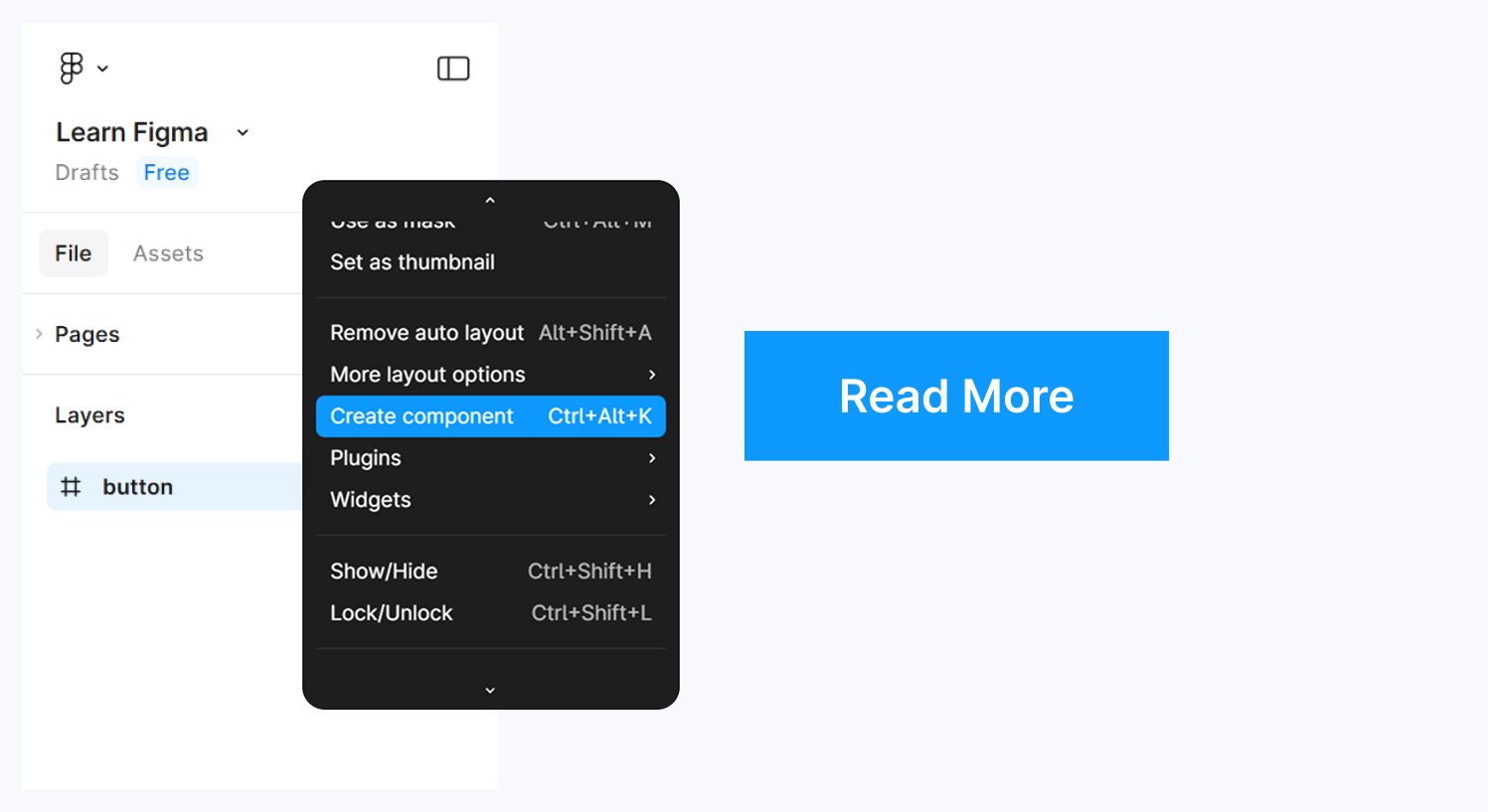
Tip: Always name components hierarchically: Category / Type / State.
3. Using Component Instances
- Drag a component from the Assets panel onto your canvas.
- Adjust overrides like text, icon, or minor color changes.
- The original component (master) controls all global properties, but overrides remain unique per instance.
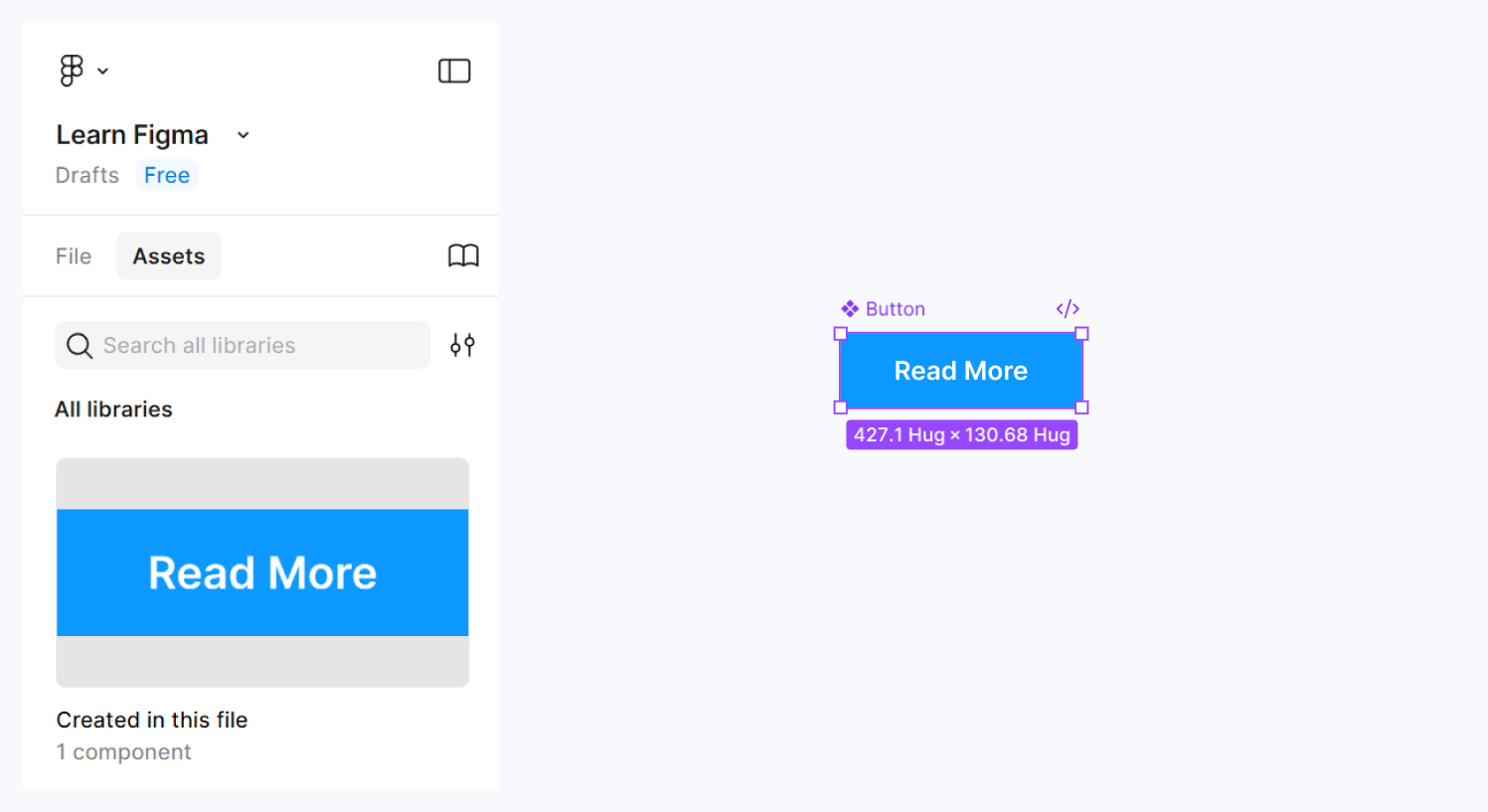
Example: Multiple CTA buttons on a page using the same component but with different text labels.
4. Variants for Multiple States
Variants allow one component to hold different states or sizes:
- Example: Button → Default, Hover, Disabled, Active
- Select the component → Add Variant in the right-hand panel
- Use Property names like
StateorSizefor easy switching between variants
Tip: Variants reduce the number of separate components you need.
5. Building a Component Library
- Organize components in dedicated pages or sections.
- Use naming conventions for hierarchy:
Buttons / Primary / Small,Cards / Product / Large. - Combine Components + Auto Layout + Styles for scalable, reusable design systems.
The more organized your component library, the faster you design and iterate.
UI/UX Designer and Marketing Specialist who combines creative design and strategy to craft engaging, conversion-driven user experiences. Passionate about clean, human-centered interfaces that deliver real results.
Related Post
You may also be interested in
-
Constraints & Responsive Design in Figma: Flexible UI for All Screens
Make your designs flexible for different screen sizes.

-
.png)
Alignment, Grouping & Constraints in Figma: Flexible & Responsive UI
Keep elements flexible and responsive.
-
Auto Layout Basics in Figma: Save Time with Responsive Spacing
Auto Layout saves time when spacing multiple elements.